

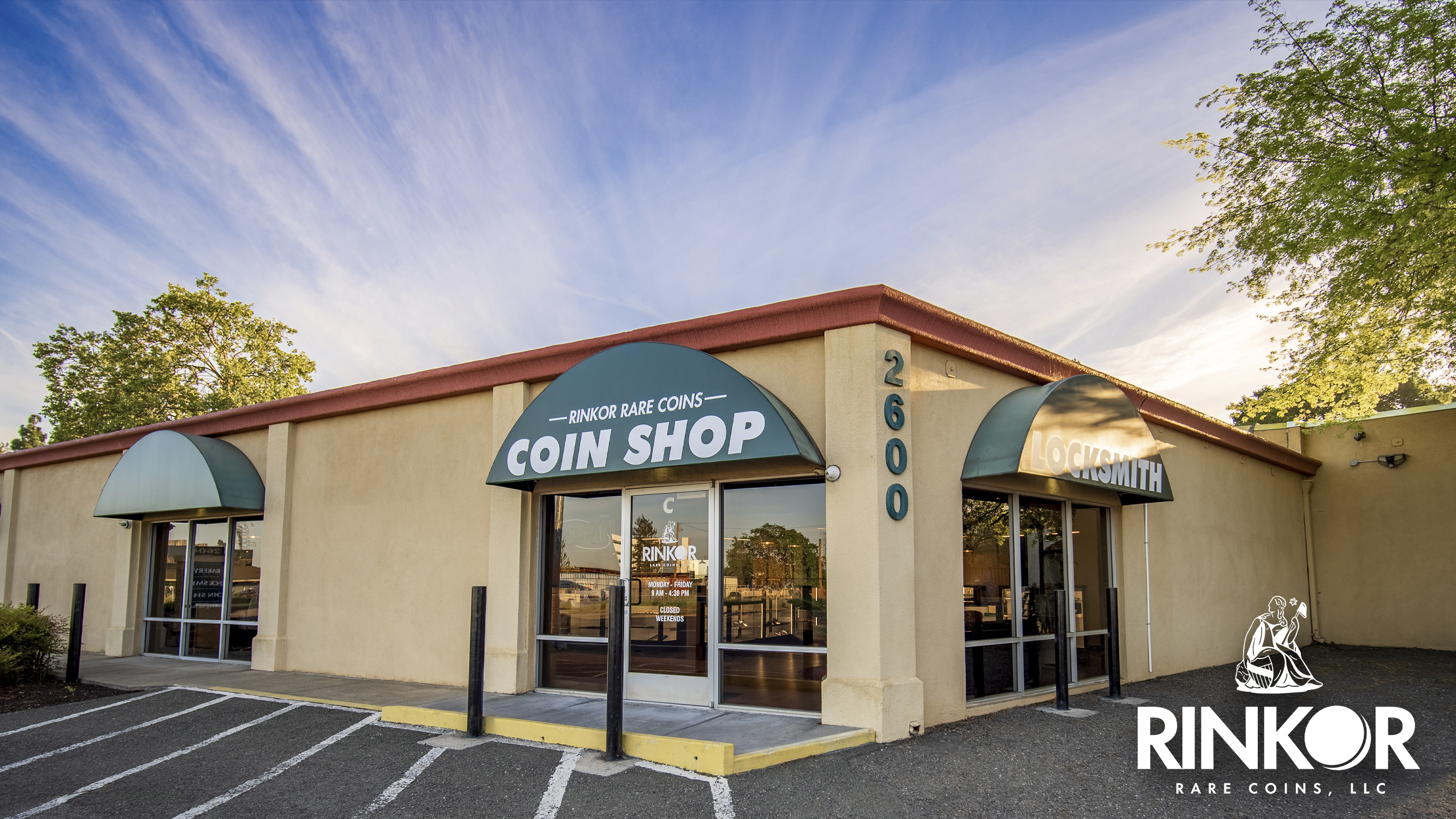
The Hidden Cost to Sell: Why Traditional Brick-and-Mortar Coin Shops Are Vanishing
The Hidden Cost to Sell: Why Traditional Brick-and-Mortar Coin Shops Are Vanishing
For decades, the local brick-and-mortar coin shop was the undisputed anchor of the numismatic community. It was the place where collectors went to swap stories, view new inventory under a loupe, and safely liquidate their holdings.
Today, however, a quiet but rapid shift is taking place across the United States. Traditional storefronts are closing their doors at an unprecedented rate. While it is easy to point fingers at the general rise of internet commerce, the real culprit behind the decline is a brutal combination of soaring operational costs, changing real estate dynamics, and an evolving regulatory landscape. For an old-school storefront to survive in the modern era, the traditional way of doing business simply doesn't add up anymore—forcing under-capitalized operators to widen their margins just to survive.
The High Overhead of Physical Security and Infrastructure
Operating a physical showroom that houses hundreds of thousands—or millions—of dollars in highly liquid gold, silver, and rare coins is inherently expensive. Unlike standard retail businesses, a coin shop cannot simply lock its front door at night and call it a day.
The baseline cost to protect a physical inventory has skyrocketed:
- Insurance Premiums: Specialized numismatic and bullion insurance policies have surged due to shifting global risk models and increased targeted retail crime.
- Physical Infrastructure: Maintaining commercial-grade TL-30 safes, advanced multi-layered alarm systems, armed security parameters, and bulletproof glass retrofitting requires continuous, heavy capital investment.
- Rising Rents: High-traffic commercial leases continue to climb, forcing under-capitalized dealer margins into a tight squeeze that common bullion and mid-range coins can no longer support.
When an un-capitalized shop spends a massive chunk of its gross income just to keep the lights on and the vault secure, its ability to offer competitive buy-back prices to the public diminishes. To cover that massive overhead, traditional stores are often forced to widen their spreads, meaning the collector ultimately takes a hit when it comes time to sell.
The Cash Flow Chasm: Getting Paid vs. Paying Out
A major, invisible hurdle facing physical coin shops centers on a massive cash flow disparity. When a private collector walks through the door to sell an estate or a high-value collection, they expect—and deserve—to be paid instantly via check or wire.
However, the dealer does not get paid instantly. When a shop buys a large deal, that inventory must be processed, certified, and sent out to specialized buyers, major networks, or auction channels. In the wholesale coin trade, it is standard industry practice for transactions between major entities to carry a 30-day payout window.
This creates a costly waiting game for the dealer. The firm must float the capital, maintain costly transit and holding insurance on the coins while they are out of the vault, and wait a month or more to actually realize the liquidity from that sale. Coupled with the fact that it can take anywhere from 30 to 90 days to fully turn an acquisition over in the high-end rare coin market, carrying millions of dollars in tied-up inventory on credit lines carries an immense financing cost under modern borrowing rates. Traditional local shops simply do not have the deep cash reserves required to float hundreds of thousands of dollars for weeks on end while waiting for standard 30-day dealer payments, forcing them out of the competitive buying pool entirely or making them pass those steep capital borrowing costs directly onto the seller in the form of lower buy offers.
The Regulatory Burden and Digital Compliance
Beyond the physical walls of the showroom, the administrative cost of compliance has put a tremendous strain on smaller, independent dealers. Modern Anti-Money Laundering (AML) regulations, local pawn/secondhand dealer reporting mandates, and complex state-by-state sales tax laws require sophisticated tracking software and dedicated staff.
Many old-school dealers who ran their businesses on hand-written ledger books for 40 years are choosing to retire rather than take on the immense financial and technological burden of modern digital auditing compliance. When these institutional operators step away, there are very few young numismatists willing to absorb the astronomical start-up costs required to open a brand-new physical location.
The High-Volume, Heavily Capitalized Solution
The good news for collectors is that you do not have to sacrifice the security and face-to-face service of a neighborhood coin shop to get top-dollar for your collection. The industry is evolving, and the path forward belongs to heavily capitalized, modern storefronts.
By establishing deep cash reserves, building strong institutional banking relationships, and investing heavily in internal data automation, a premier modern showroom can absorb these structural costs effortlessly. Because we handle millions in transaction volume and have the financial strength to comfortably float capital during standard 30-day dealer cycles, we operate on incredibly thin margins. This efficiency translates directly into a massive advantage for you. We don't need to widen our spreads to pay our rent, allowing us to buy your collections at aggressive, market-leading wholesale rates that traditional storefronts physically cannot match.
Maximizing Value Without Sacrificing Local Trust
The closing of un-capitalized storefronts is changing the hobby, but it shouldn't mean collectors have to deal with faceless internet drop-boxes or restrictive, low-ball local offers based on a shop's weekly cash flow.
When you work with a well-capitalized, high-volume firm right in your community, you get the absolute best of both worlds: uncompromised physical security, immediate face-to-face liquidity, and maximum payout value driven by robust national demand.
If you are looking to liquidate a family estate or optimize a high-end numismatic portfolio, discover the advantage of working with a heavily capitalized industry leader. Learn more about our transparent, market-leading asset liquidation process on our Sell to Us page, or contact our team directly to schedule a private, secure consultation at our modern Santa Rosa showroom.
Rinkor Rare Coins, LLC
2600 Mendocino Avenue, Suite C
Santa Rosa, CA 95403
707-546-2575