

Naked-Eye Rarities: Debunking the Myth of the "Microscopic" Error Coin
Naked-Eye Rarities: Debunking the Myth of the "Microscopic" Error Coin
If you spend five minutes on social media's coin-collecting side, you will be convinced that everyday pocket change is hiding a massive treasure trove. You will see macro-lens photos zoomed in to extreme magnification, showcasing a tiny, flat shadow on the edge of a date. The videos often claim these minute imperfections are rare, highly sought-after varieties.
In the professional numismatic world, however, true mint errors do not hide behind a digital microscope. Major grading services like PCGS and NGC evaluate coins using a 5x magnification loupe as their industry standard. If you need a high-powered lens or intensive desk lighting just to guess if a letter is thick, you aren't looking at a rare striking error—you're looking at a common manufacturing artifact. To become a smarter buyer and collector, you need to separate common mechanical anomalies from genuine, dramatic striking errors.
The Ultimate Illusion: Machine Doubling vs. True Die Varieties
The most common trap for collectors is Machine Doubling (also known as mechanical or strike doubling). It is not a mint error; it is a simple mechanical byproduct of the high-speed minting process.
- What It Actually Is: Modern coin presses strike hundreds of coins per minute with immense hydraulic pressure. If a steel die vibrates, shudders, or shifts even slightly as it pulls away from the freshly struck coin, it slices into the raised metal, shearing it away.
- The Look: Machine doubling creates a flat, step-like, or "shelf-like" secondary image. It actually reduces the size and thickness of the original letter or digit, scraping the metal down. It happens randomly by the millions and can change from one strike to the next on the assembly line.
- The Contrast: A true Doubled Die (like the famous 1955 Lincoln Cent variety) is an error on the steel die itself before it ever touches a coin blank. Because the mistake is carved into the hub, the doubling shares the same rounded, full height as the main design and often shows distinct, sharp split "notches" at the corners of the lettering.
Real Striking Errors: What to Actually Look For
Genuine mint errors are physical, structural failures of the machinery where the relationship between the dies, the planchet (blank coin), and the retaining collar fails. These are dramatic anomalies that stand out instantly to the naked eye. Here are three major striking errors that carry legitimate numismatic interest:
1. Struck Out of Collar (Broadstrikes)
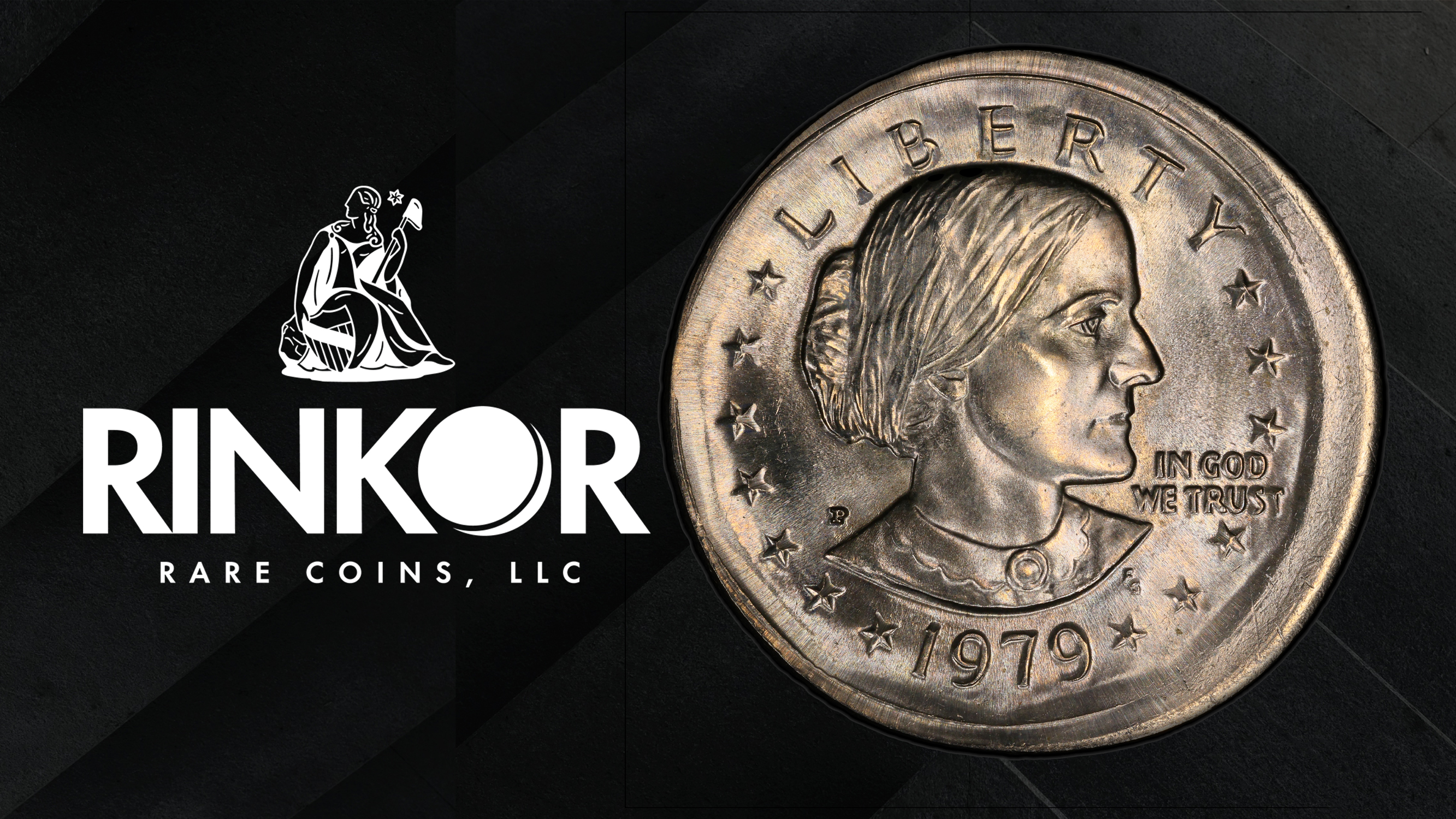
Every coin is struck inside a hardened steel ring called a retaining collar. The collar acts as a wall, keeping the coin blank perfectly circular and forming the rim (or applying the edge reeding). When a planchet sits properly between the dies but the collar fails to engage or jams downward, the metal has nowhere to go but out. Under tons of pressure, the coin expands wildly past its normal diameter, flattening out completely. The entire design is still present, but the coin is oversized, thin, and entirely lacks a raised rim.
2. Misaligned Dies (MAD)
A coin is struck by two dies simultaneously: the hammer die and the anvil die. If one die is set perfectly but the opposite die is installed slightly off-center or shifts in its holder, you get a Misaligned Die error. This shows up on only one side of the coin. One face will look perfectly normal and centered, while the other face will have its design shifted toward one edge, causing a fat rim on one side and a completely cut-off or missing rim on the opposite side. (Note: If both sides are shifted, it is an Off-Center Strike, which happens when the planchet itself didn't feed correctly into the press).
3. Indents and Brockages
These occur when two or more pieces of metal feed into the striking chamber at the same time. An **Indent** happens when an unstruck blank sits partially over the top of another blank, shielding a portion of the bottom coin from the die and leaving a smooth, deeply pressed, blank crater. A **Brockage** occurs when a previously struck coin sticks to the upper die and acts as the face striking the next blank. Because a stamped coin is striking a blank canvas, it presses a perfect, mirror-image, incuse (sunken) version of the design into the new coin.
The Grader's Reality Check
| Phenomenon | Primary Cause | Visual Characteristic |
|---|---|---|
| Machine Doubling | Die vibration/shudder during ejection | Flat, shelf-like, shaved-down edges |
| Broadstrike | Retaining collar failure | Oversized, thin, no defined rim |
| Misaligned Die | One die improperly centered | One side off-center; other side perfect |
| True Doubled Die | Error during original die hubbing | Rounded, full-height secondary lines; notched letters |
The Golden Rule for Error Hunting
If you have to squint, tilt a coin under intense desk lamps, and pull out a high-powered lens to convince yourself an error is there, pass on it. True, numismatically significant mint errors are mechanical failures of the minting process. They distort the physical geometry of the coin, they are obvious to the naked eye, and they stand out instantly the moment you look at a handful of change. Keep your magnification at 5x—if it doesn't jump out at you through a standard grader's lens, it isn't a true striking error.
Rinkor Rare Coins, LLC
2600 Mendocino Avenue, Suite C
Santa Rosa, CA 95403
707-546-2575