

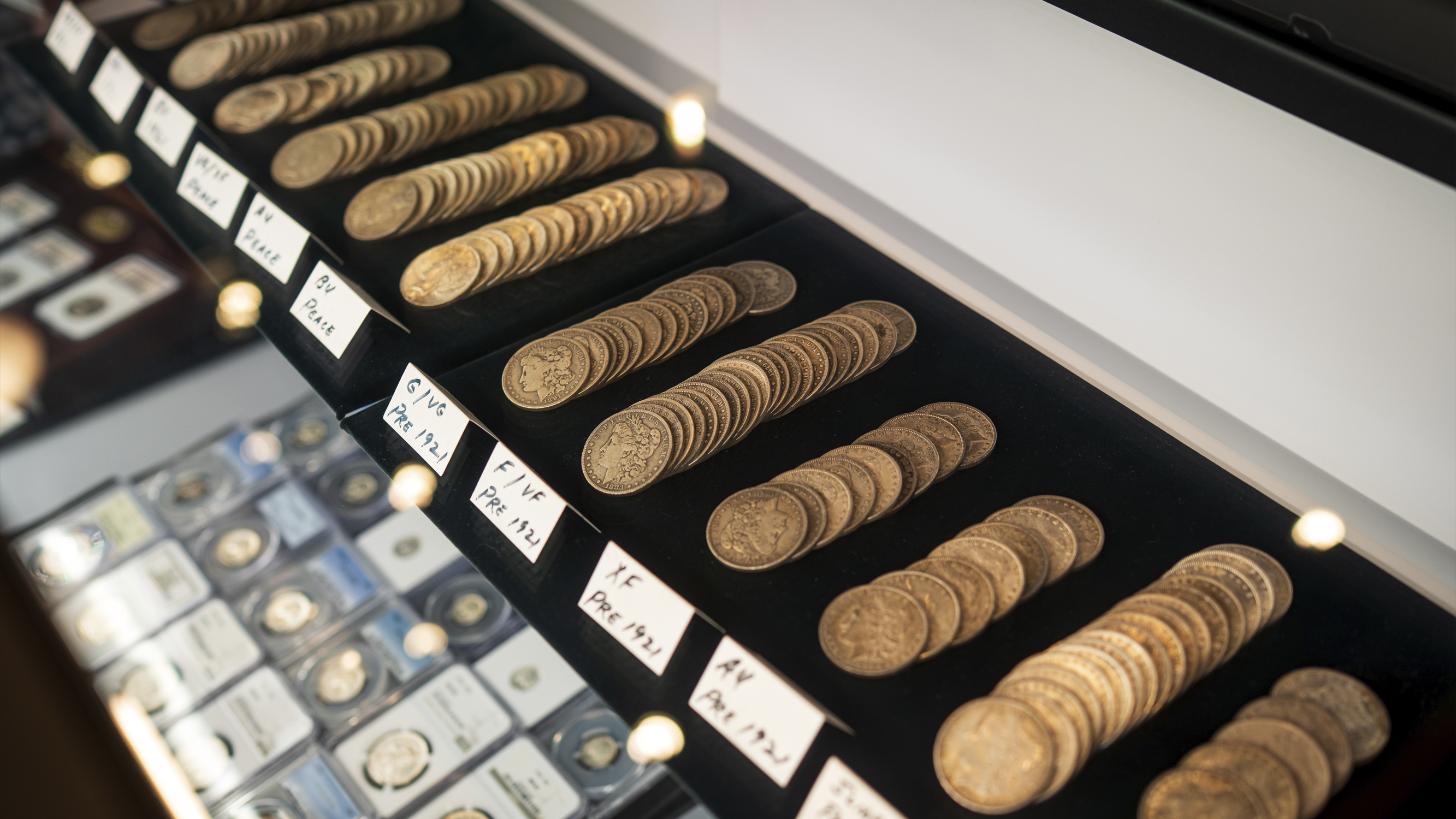
Stacking Classic Silver Dollars: The Real Market Value of Morgan and Peace Dollars
Stacking Classic Silver Dollars: The Real Market Value of Morgan and Peace Dollars
When most people think about adding physical silver to their portfolios, they immediately picture modern 1-ounce bullion rounds or minted bars. But a highly practical option for silver buyers lies in America’s two most iconic classic silver dollars: the Morgan Dollar (1878–1921) and the Peace Dollar (1921–1935).
To the uninitiated, buying a coin that is 100 to 150 years old sounds like a luxury that requires a steep collector premium. In reality, heavily circulated, common-date examples of these classic silver dollars often trade right alongside standard bullion, giving stackers a unique way to buy old-world history for a highly competitive price relative to the raw value of the metal.
The Raw Numbers: 90% Coin Silver Weight
Before diving into the market dynamics, it helps to understand exactly how much precious metal you are buying. These are not pure silver bars; both Morgan and Peace Dollars were struck from a durable composition of 90% pure silver and 10% copper.
When they rolled off the presses, a complete dollar weighed 26.73 grams, which translates to exactly 0.7734 troy ounces of pure silver per coin. Because circulated examples have spent decades changing hands, some coins have experienced actual weight loss from heavy wear, which directly impacts their value in the bulk market.
The Real Market: Buying History Close to Bullion Prices
The biggest misconception about heavily circulated Morgan and Peace Dollars (often called "cull" or "common" dollars) is that they are always expensive. They aren't. During quiet periods in the precious metals market, these coins can be acquired with remarkably low premiums over their actual silver melt value.
While retail premiums do fluctuate based on supply and demand, there are times when common-date, worn silver dollars trade remarkably close to their raw spot value. Think about the value in that: you are acquiring a piece of genuine, turn-of-the-century American history—struck at historic mints like San Francisco, New Orleans, or Philadelphia—for a price per ounce that rivals generic, modern silver bars stamped out last week.
The Reality of Liquidating: Selling Below the Silver Price
It is vital to understand exactly how classic silver dollars are priced when it comes time to sell, as they do not behave like certified numismatic items:
- The Dealer Buy-Rate Reality: If a coin is heavily worn, slick, bent, or severely scratched, it is classified as a "cull." When selling culls or even standard, average-circulated common-date dollars back to a dealer, it is pretty typical for them to trade at a discount below the raw silver melt price. In fact, most circulated dollars are sold back to a dealer below the silver price.
- Why They Trade Below Melt: This discount accounts for two major market realities: the actual physical metal loss from decades of friction and wear, and the commercial overhead and refining costs required to melt down 90% coin silver and process it back into pure bullion.
- They Don't Always Carry a Premium: While higher-grade or certified pieces do command numismatic premiums, heavily circulated common-dates track the daily spot price of silver. When silver prices spike rapidly, the retail premium on worn dollars can compress down to nearly zero on the buy side, cementing their role as a pure weight-driven silver play.
Morgan vs. Peace Dollars: The Stacker's Choice
Since both series contain the exact same original metal specifications, choosing between them comes down to minor differences in the bulk market:
Morgan Dollars: Because the Morgan series is older (dating back to 1878) and heavily collected by date and mintmark, bulk lots of Morgan's can occasionally see their retail premiums rise faster when new collectors enter the hobby. They carry an immense historical draw, bringing the romance of the Old West into a wealth-preservation portfolio.
Peace Dollars: Because they were minted later (1921–1935) and have a shorter series run, Peace Dollars are often viewed strictly as utility coins by large-scale stackers. When bulk lots are available, Peace Dollars can sometimes be found at an even tighter retail spread to the silver spot price than Morgans, making them an excellent entry point for classic silver dollars.
The Verdict for Stackers
If you are looking for a smart way to diversify your physical silver holdings, don't overlook classic silver dollars. By keeping a sharp eye on the market, you can routinely find circulated Morgan and Peace Dollars at reasonable premiums, giving you a dual-benefit asset: dependable physical silver content paired with 150 years of untouchable American history.
Rinkor Rare Coins, LLC
2600 Mendocino Avenue, Suite C
Santa Rosa, CA 95403
707-546-2575